
By Rachael Gathoni – CHAK
In the heart of Kenya’s eastern region, Tharaka Nithi County is emerging as a national blueprint for sustainable healthcare. The successful implementation of the CMaT model in the county marks a historic shift in how devolved units manage critical health interventions, particularly in the fight against HIV.
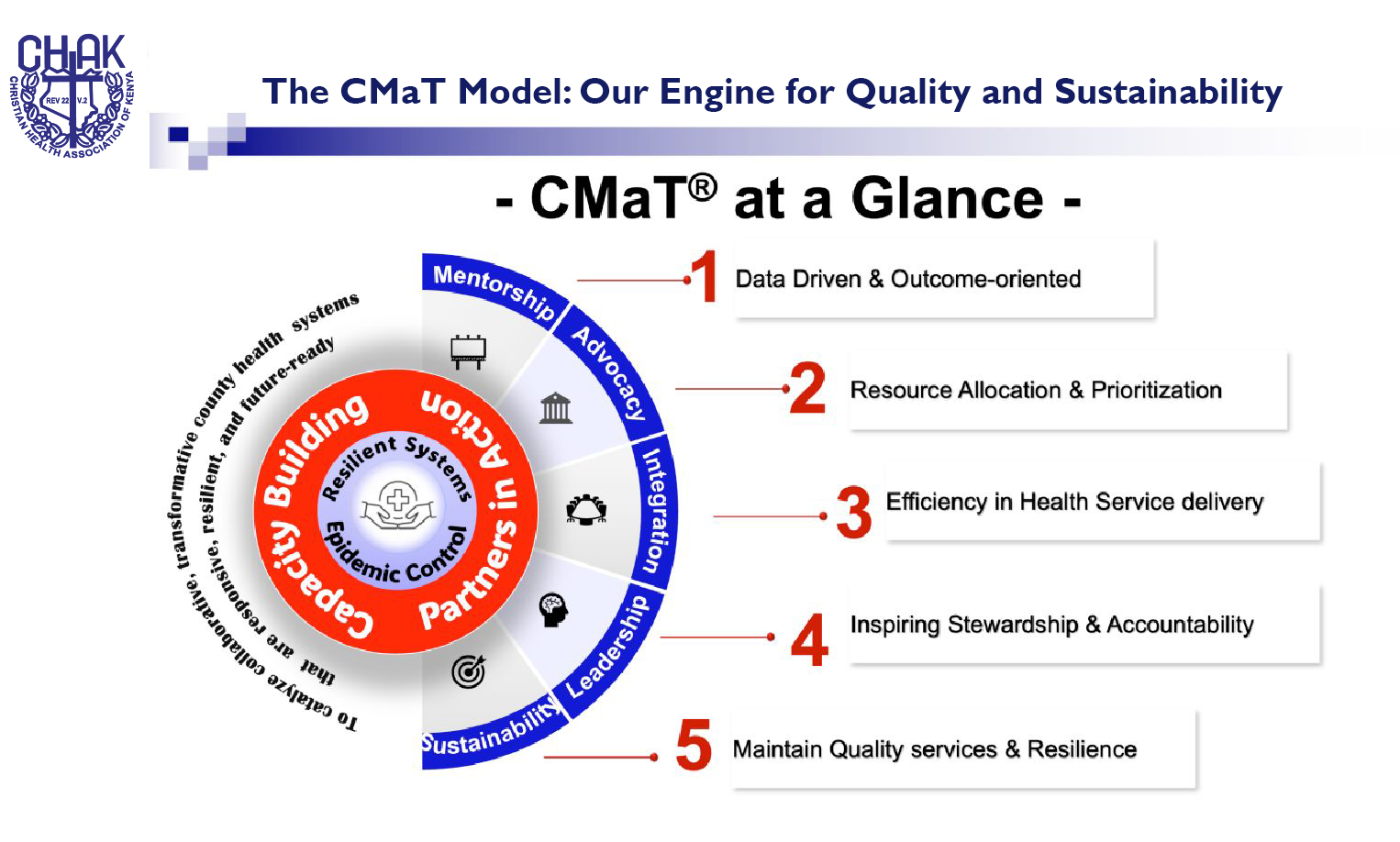
CMaT, a model co-created by CHAK Jamii Tekelezi and the county governments of Embu, Meru, Tharaka Nithi and Nyandarua, was designed to address a looming crisis: the “funding cliff.” For years, Kenya has relied heavily on external donor support (such as PEPFAR) for technical expertise and personnel. CMaT is designed to transition health programme ownership from donor-driven systems to county-managed structures, aligning with Kenya’s broader goal of empowering county governments to take full responsibility for planning, financing and delivering services.
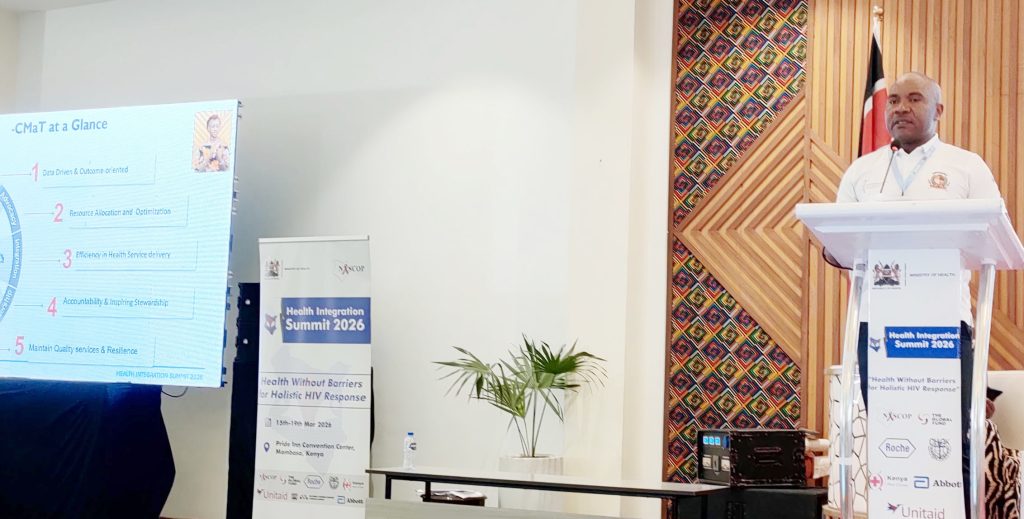
The Tharaka Nithi County Department of Health presented on the CMaT model during the 2026 Health Integration Summit in Mombasa. As one of four counties supported by Jamii Tekelezi, Tharaka Nithi has demonstrated strong progress in implementing the model.
Through CMaT, health services in the county have become more integrated and patient-centered. HIV services are increasingly embedded within primary healthcare, ensuring clients receive comprehensive care, including HIV testing, treatment, and cervical cancer screening, under one system.
One of CMaT’s most notable successes in Tharaka Nithi is the growing sense of ownership among county stakeholders. Through structured collaboration and formal agreements, the County Government Department of Health and CHAK-Jamii Tekelezi have built an enabling environment for sustainable service delivery, ensuring counties are not just recipients of support but active leaders in health programming. This approach has strengthened accountability and laid the foundation for long-term resilience in the health sector.
The model’s practicability has earned it recognition beyond county level: the U.S. Department of State has adopted CMaT as the principal framework guiding county engagement and the sustainability journey across all Implementing Partners, supporting the PEPFAR sustainability agenda and embedding technical expertise within county structures for the long term.
CMaT is more than a transition model — it is Kenya’s pathway to lasting health system ownership, efficiency, and sustainability.